Free by Lea Ypi – Dua’s Monthly Read for July – is more than a memoir. It’s a retrospective on history, following the fall and rise of two opposing political systems in Albania. It’s a reflection on family: on the people and ideals that surround and shape you. And it’s a question, pushing us all to consider the term that forms its title – what does it mean to be free?
Lea discusses all of this and more in her interview with Dua here. As you might have come to expect by now, we ask each of Dua’s Monthly Read authors for some reading recommendations. Lea is no exception.
We asked her for a peek behind the creative curtain: a list of the books whose characters and plotlines challenged her way of thinking and served as inspiration for the book we’re discussing all month long.
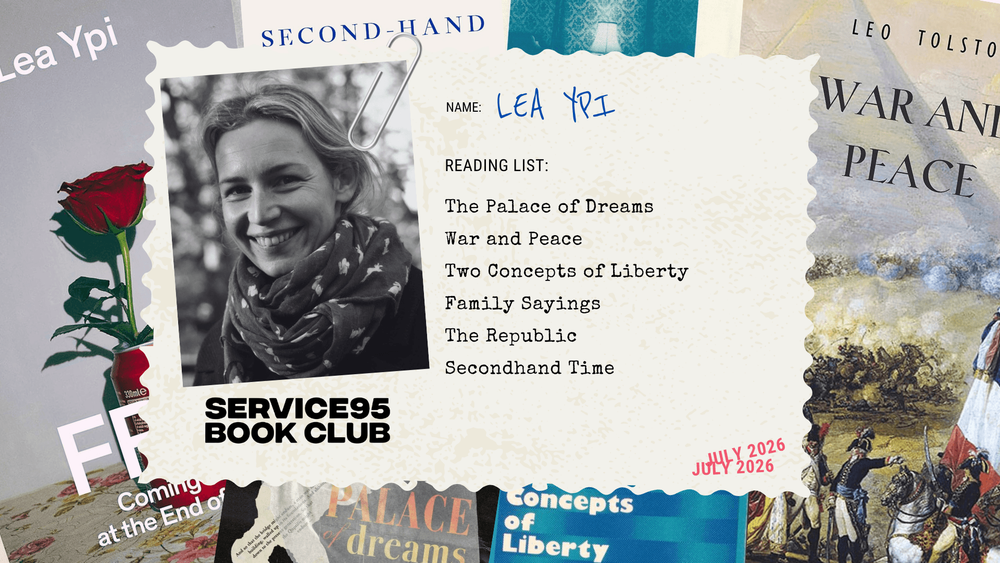
These are the books that shaped Lea Ypi, the ones that led to Free.
The Palace Of Dreams by Ismail Kadare
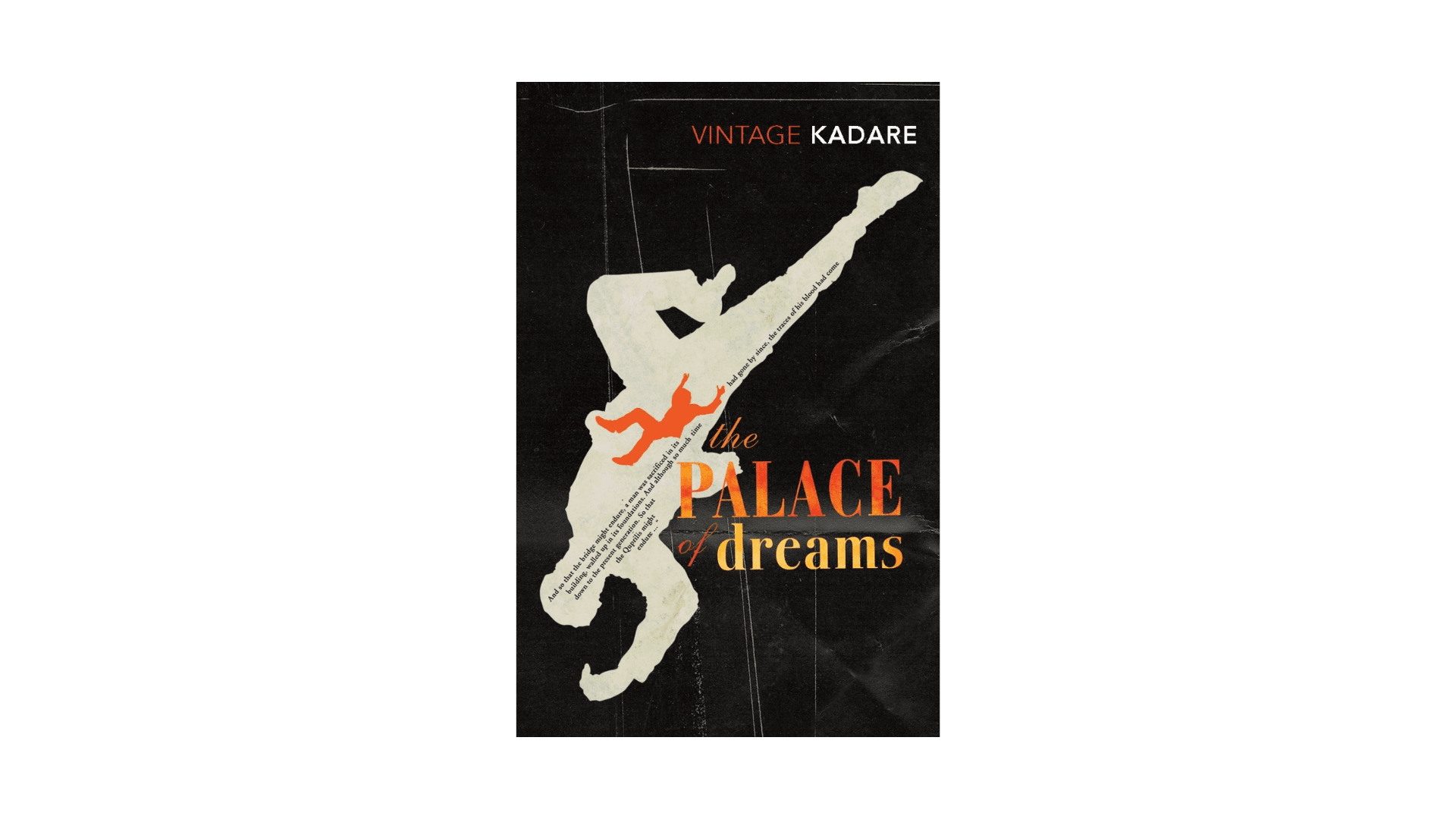
“Officially set in the Ottoman Empire, it is a parable of both the communist Albania I grew up in and contemporary surveillance, telling the story of how an imperial coercive structure tries to read its future by collecting peoples’ dreams. Kadare is one of my absolute favourite authors, the giant of Albanian literature on whose shoulders all our contemporary writing sits.”
War And Peace by Leo Tolstoy
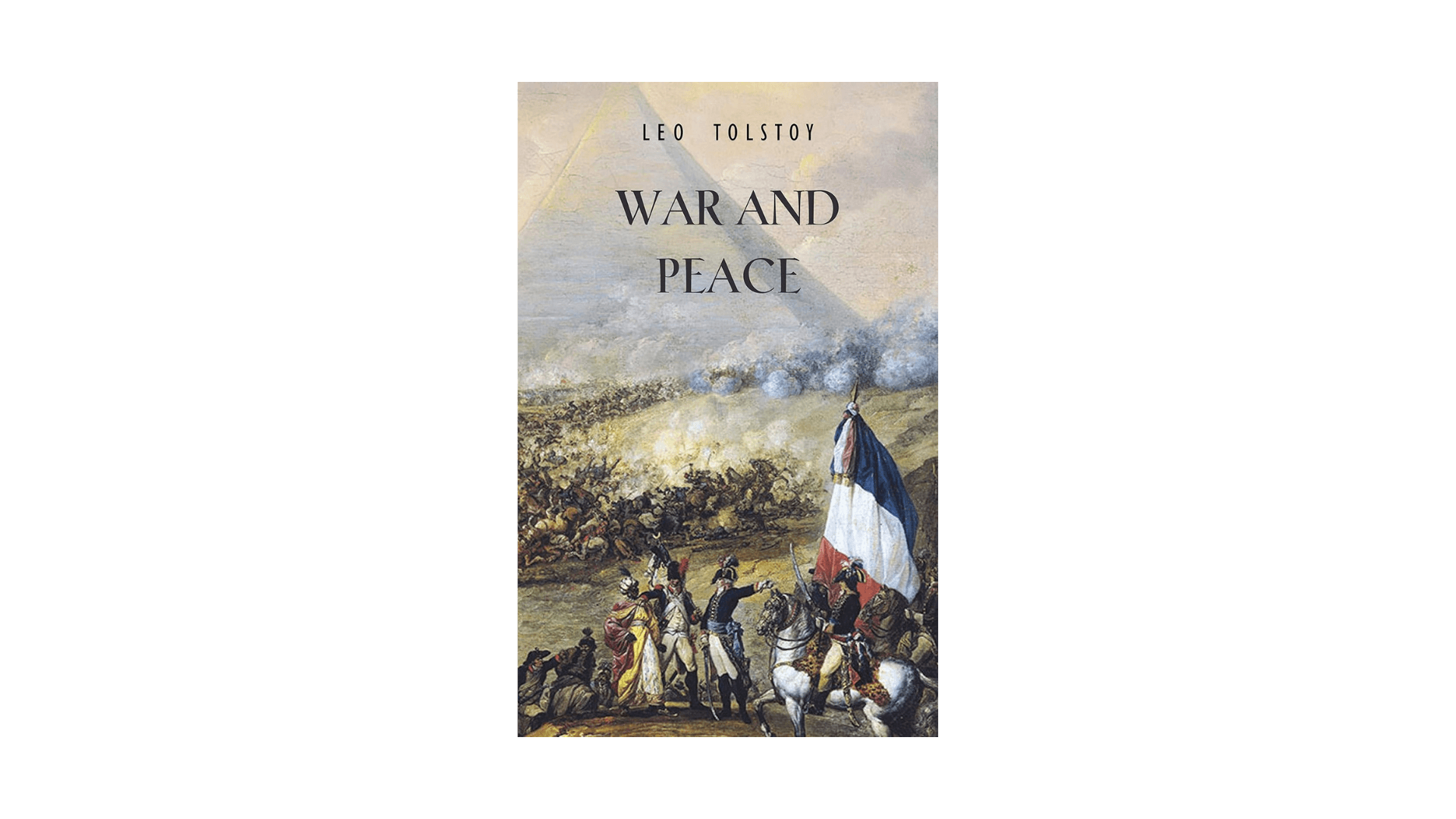
“I read this in my final year of high school, when pyramid schemes had collapsed, a curfew fell every night and the country was under a military state of emergency. Tolstoy’s characters resonate in any circumstances, not only extraordinary ones, but reading him then, gave this book and its author a special place in my life. The final pages – on what history is and how it is made – stayed with me and led me to choose philosophy at university, which is to say this novel is part of how Free came to be written at all.”
Two Concepts Of Liberty by Isaiah Berlin
“The different characters in Free hold different ideas of freedom, but the tension between two of them — negative freedom (freedom from) and positive freedom (freedom to) — is reconstructed in this book, one of the great texts of 20th-century liberalism. They are part of a debate that Free turns from philosophy into biography, an ongoing argument about what the word was ever supposed to mean.”
Family Sayings by Natalia Ginzburg
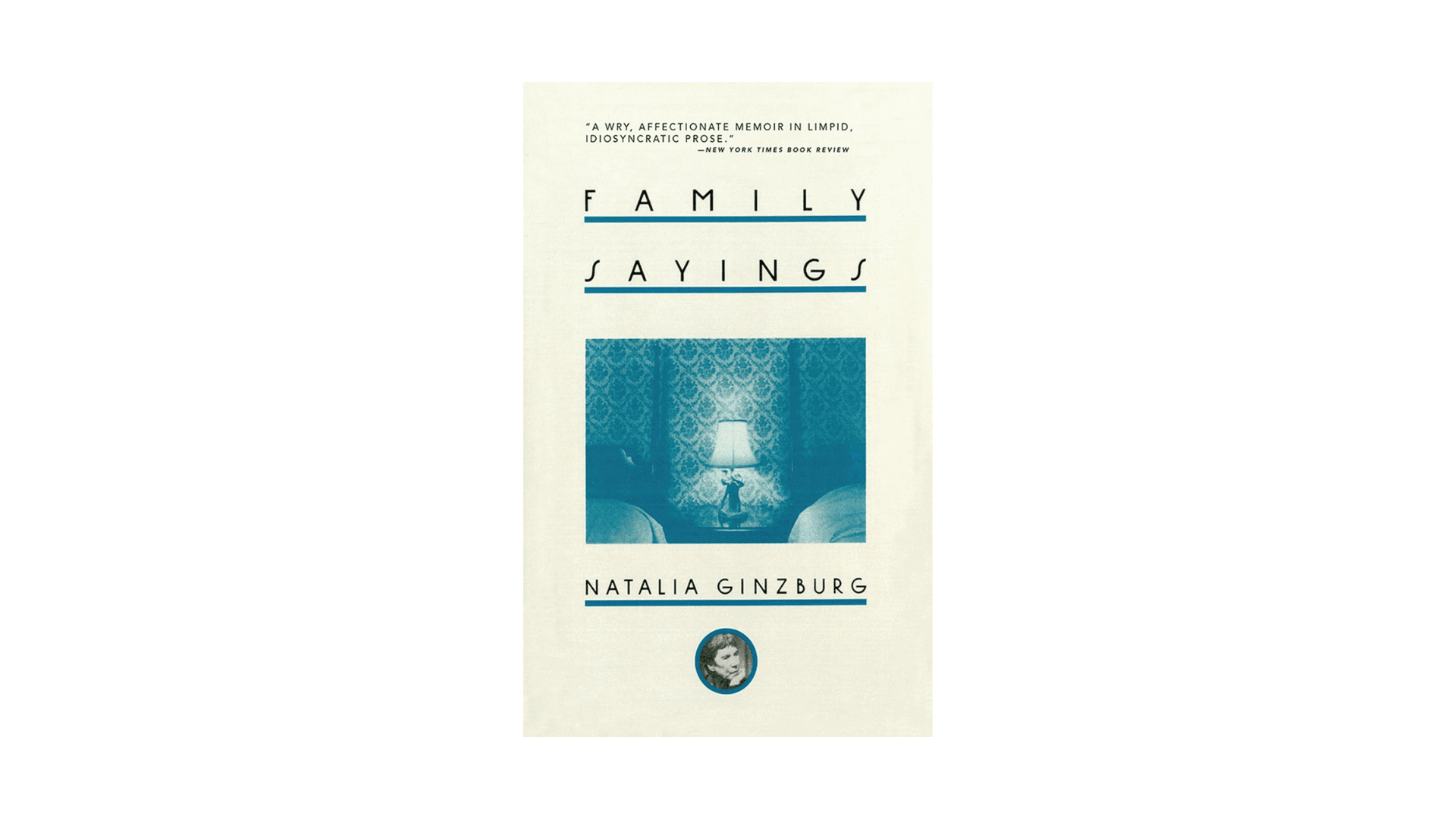
“A family living through Italian Fascism and the war, whose story is reconstructed through its recurring phrases, jokes and quarrels, so that a private domestic language becomes the vehicle for an entire political history. Ginzburg writes about catastrophe in a way that brings together the micro and the macro, family and society, and shows how literature and history are continuous with each other.”
The Republic by Plato
“The allegory of the cave — prisoners who mistake shadows on a wall for the whole of reality, until one of them is dragged out into the light — closely mirrors the reflection on the relation between ideals and ideology that is the philosophical background of Free. That ancient question — how to tell the difference between reality and propaganda, opinion and truth, and how to lead a meaningful life – is one no society has ever answered in a satisfactory way, and that we have to keep asking over and over again, by returning to the analogy between the city and the soul.”
Second-Hand Time by Svetlana Alexievich
“The collapse of the Soviet world, assembled from ordinary voices reckoning with what freedom actually delivered, is a close companion to the disillusion of Free’s second half. Alexievich’s insistence on selective memory and trauma — how it passes down and explains the difficulties of successive generations — and her focus on the disruptive, often brutal nature of integration into the capitalist free market, is the territory of both books once the old certainties collapse.”
There’s More – Delve Deeper Into Lea Ypi’s Free With The Service95 Book Club...
WATCH Dua’s interview with Free’s author Lea Ypi
LISTEN to a playlist picked by Lea Ypi to soundtrack Free from start to finish
BOOKMARK five moments from Albania's recent past that put Free in context
DISCOVER our photo essay charting how communism left its mark on Albania’s landscapes
EXPLORE how natural beauty and rich history collide on a road trip through Albania’s mountains
GO FURTHER with 11 books and films that capture the complexities of political upheaval